Academy of Stars LKS2

Enriching Education Part 4
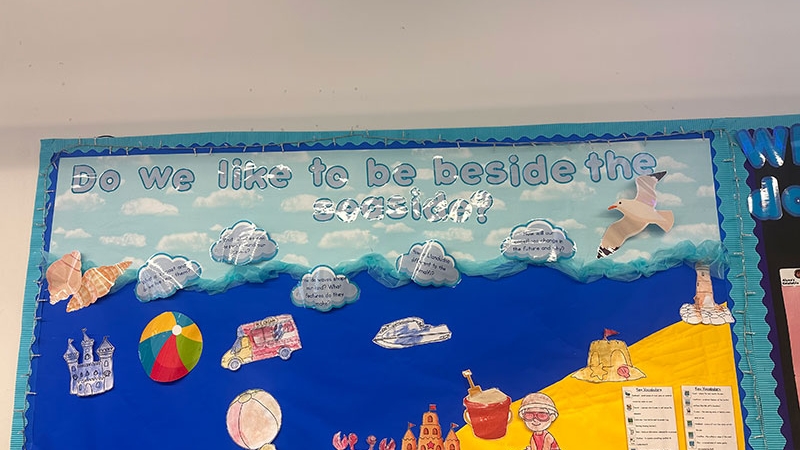
Do we like to be beside the seaside?
Our new Geography topic is all about the question, “Do we like to be beside the seaside?”. For our Connect and Wonder, children will explore a ‘feely seaside’ box, handling objects such as sand, shells and pebbles to spark curiosity about coastal environments. We will learn what a coast is and where coastlines can be found, before comparing the seaside town of Llandudno with the Amalfi Coast in Italy. The children will explore how people use the coast, as well as how waves shape the land to create features such as cliffs, caves, arches and stacks. We will also think about how coastlines may change in the future.
To celebrate the end of our topic, we will take part in an exciting trip to the beach! This will give the children the opportunity to experience a real coastline, spot physical features they have learned about, and explore how the seaside is used by people. It will be a fantastic way to bring our learning to life and create lasting memories.
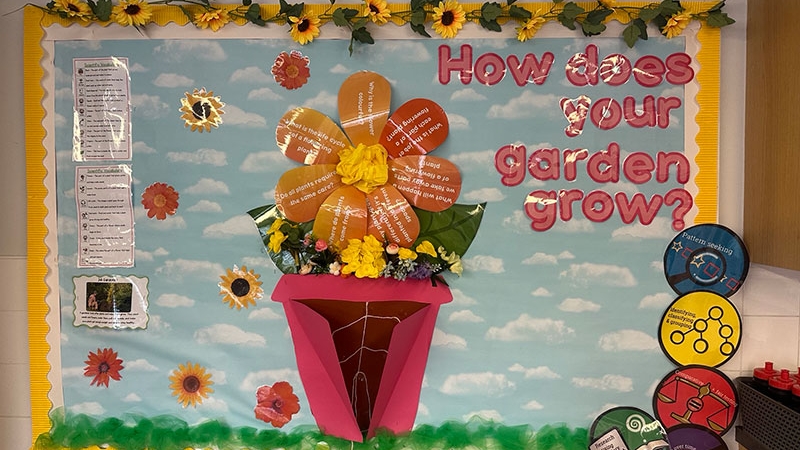
In Science, we are beginning a new topic called “How does your garden grow?” We will be learning about the different parts of a plant and their roles, exploring the life cycle of plants, and investigating what plants need to survive and stay healthy. The children will take part in hands-on activities to observe growth and deepen their understanding of the natural world around them. We can't wait to get our hands muddy!
Enriching Education Part 3
What is the climate like in our world?
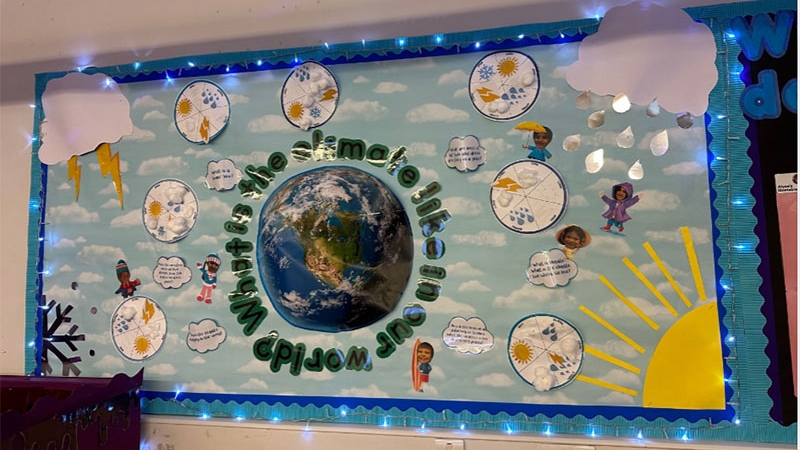
Our first Geography topic this year is all about our big question, “What is climate like in our World?”
For our Connect and Wonder, children will explore ‘feely boxes’ to think about different types of weather and seasons. They will feel materials that might be cold, warm, wet, or sandy and talk about where in the world they might be found. We will also look at our local weather in Stoke-on-Trent and use simple equipment to measure rain, temperature, and wind. Then, we will look at different places around the world and compare their climates. We will use globes and maps to help us find places using lines of latitude. We will also compare Stoke-on-Trent with a place called Stoke in New Zealand to see how their weather is different from ours. Finally, we will learn about climate change and how it is affecting our planet.
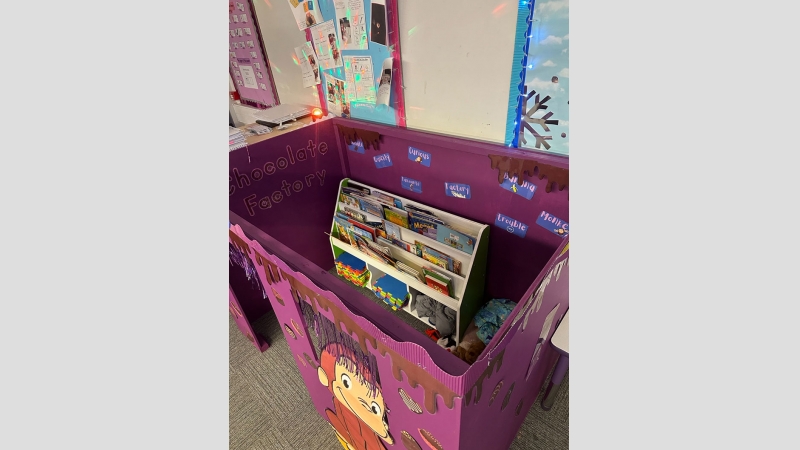
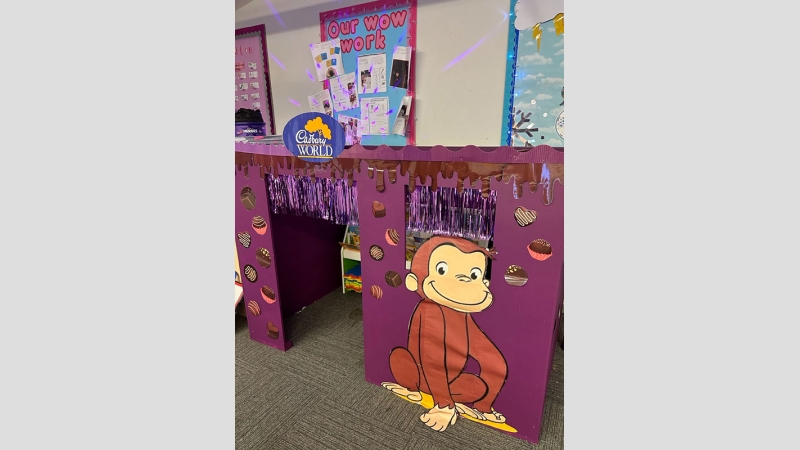
For our educational visit, we will go to Cadbury World. We will enjoy seeing how chocolate is made and learn about the warm climates where cacao beans grow. This will link to our Love of Reading book, Curious George goes to the Chocolate Factory. We will think about what it would be like to work in a chocolate factory like the man in the white hat! In English, we will write a persuasive advertisement to showcase our own chocolate design.
In Science, we will finish our learning about rocks, soils, and fossils. Then we will start a new topic called, “Why are shadows always dark and why do they follow me?” We will learn that bright light can be dangerous for our eyes and test different materials to see which would make the best sunglasses. We will also learn new words such as transparent, translucent, opaque, and reflective.
Enriching Education Part 2
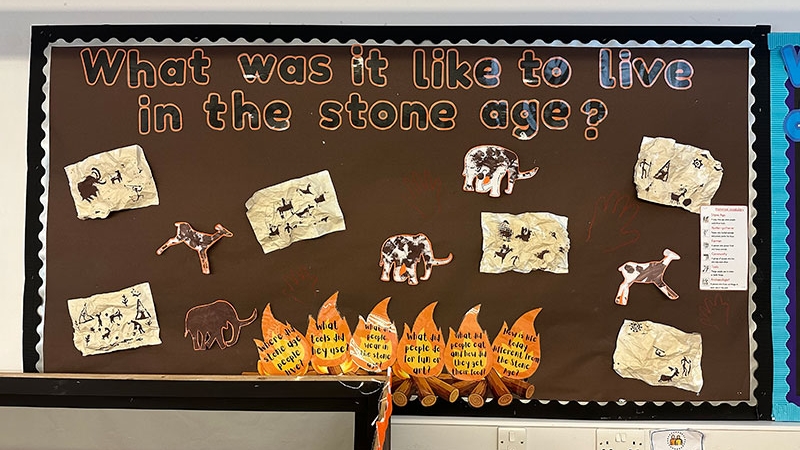
Would you prefer to live in the Stone Age, Bronze Age, Iron Age or now?
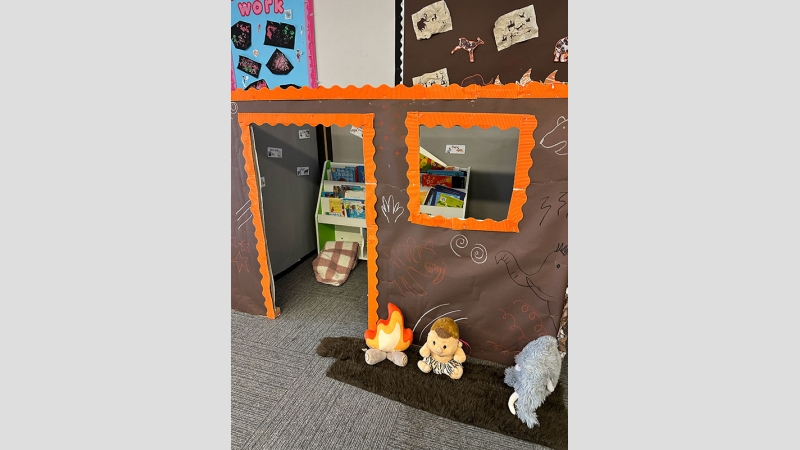
This term, Academy of Stars 2 will be learning all about life in the past and asking the question: Would you prefer to live in the Stone Age, Bronze Age, Iron Age, or now? We will be thinking about how people lived, the homes they built, the tools they used, and how life was different to today. Together, we will become explorers and history detectives, using objects, pictures, and stories to help us find out about daily life in the past. We will also think about why learning about the past is important and how it helps us understand the world today.
As part of our learning, we will go on an exciting adventure around the school grounds, pretending to be hunter-gatherers on a playground hunt and building dens like people in the Stone Age. In class, we will take part in hands-on activities, making playdough tools, dressing up in Stone Age clothing, and trying new foods, immersing ourselves in life as it might have been thousands of years ago.
Our Love for Reading text this term will be Cave Baby by Julia Donaldson, linked to our history topic. We will enjoy this story together through sensory storytelling, role play and creative activities. Children will explore different types of mark making, just like the Cave Baby, and will build simple sentences using visuals to support their understanding. We will immerse ourselves in the story in a sensory and interactive way to help the children connect with the characters and events.
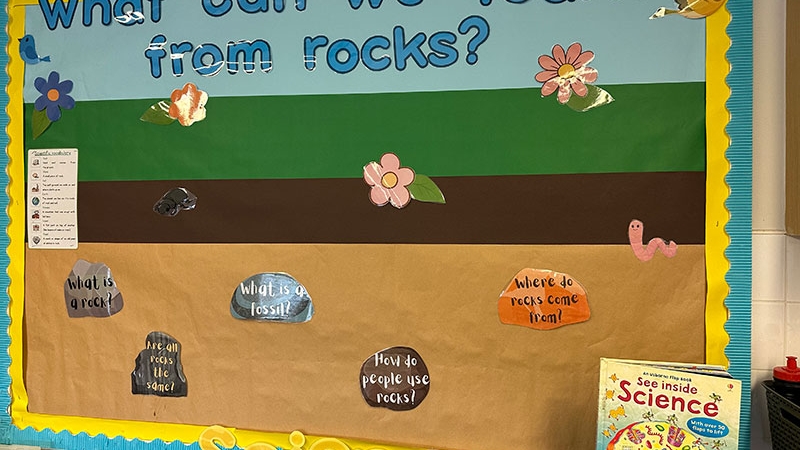
In Science, we will be moving on to our new topic: What can we learn from rocks? We will explore different types of rocks and look closely at fossils. Children will take part in hands-on investigations to help them understand what rocks are made of, how they feel, and how they are used in the world around us.
Enriching Education Part 1
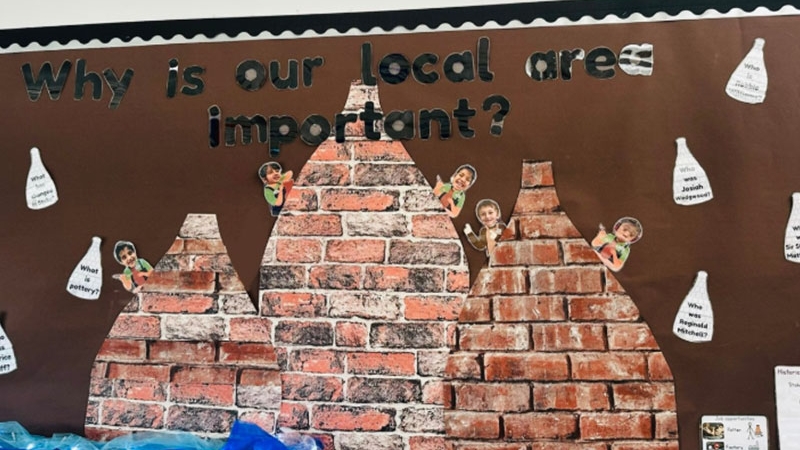
Why is our local area important?
This term, Academy of Stars 2 will be learning all about the history of Stoke-on-Trent. We will be thinking about how Stoke has changed over the last two hundred years. Together, we will become explorers and history detectives, using objects, pictures and stories to help us find out about important people and events from our local area. We will also think about why Stoke-on-Trent is special and why it is important to celebrate it.
As part of our learning, we will go on an exciting trip to the Adventure Mini Village. While there, children will role-play being factory workers and theatre workers, experiencing what it might have been like to work in Stoke many years ago. In class, we will also take part in a clay workshop, where we will use our hands to shape and mould clay to make our own bottle kiln models, role-playing being potters!
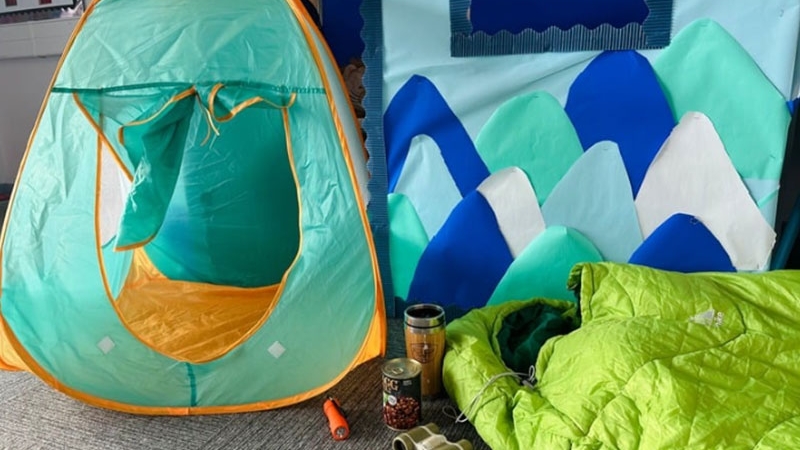
Our Love for Reading text this term will be 'The Great Explorer'. We will enjoy this story together through sensory storytelling, role play and linked creative activities. Children have already become immersed in the book as they entered the classroom this week to find The Explorer’s belongings left behind!
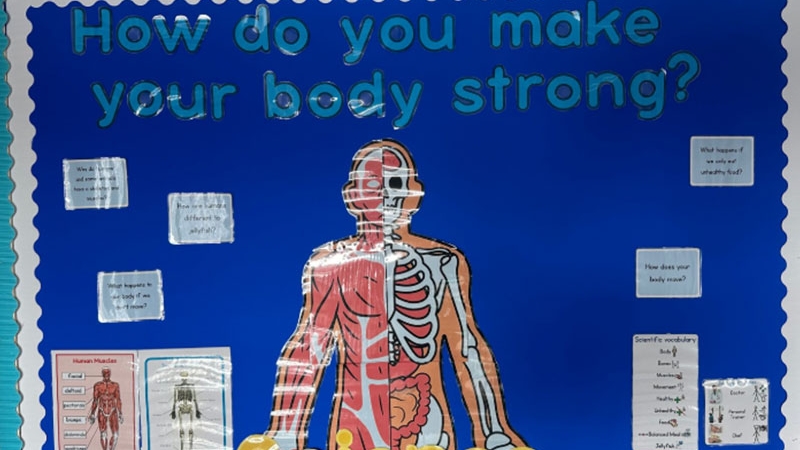
In Science, we will learn about different foods and how they help our bodies. We will also explore why our skeleton and muscles are important, using songs, movement and investigations!'